
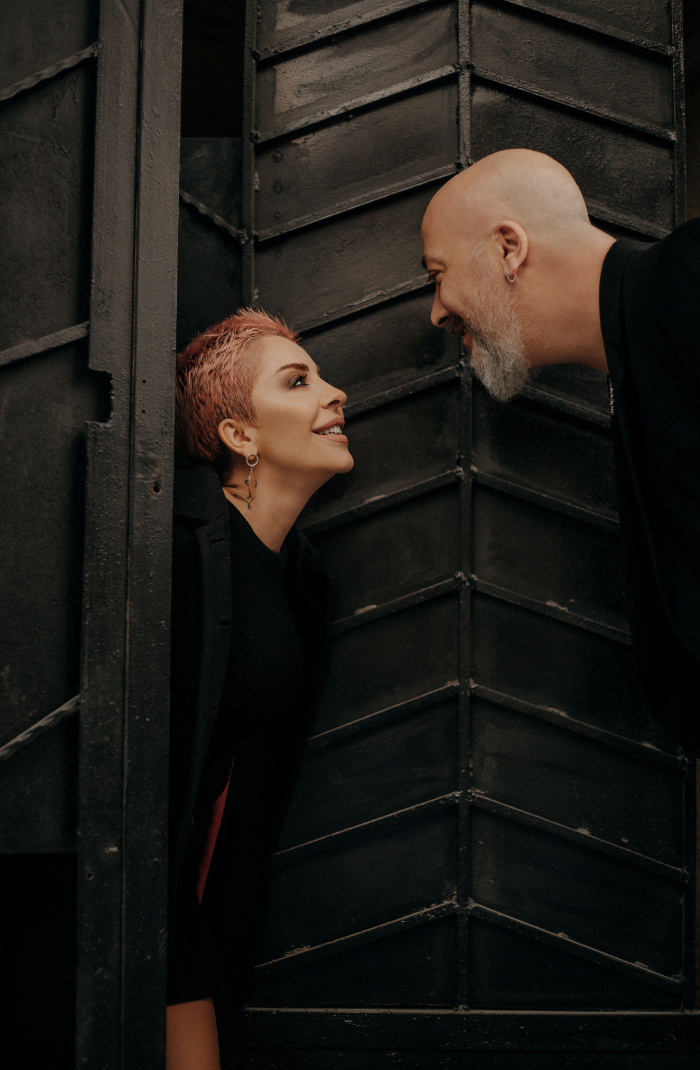

Relationship Counseling
Available for Michigan clients (in person or virtual) and Hawaii clients (virtual only)
Your relationship is not defined by its hardest moments. With support, new patterns, deeper understanding, and stronger connection can emerge.
〰️
Your relationship is not defined by its hardest moments. With support, new patterns, deeper understanding, and stronger connection can emerge. 〰️

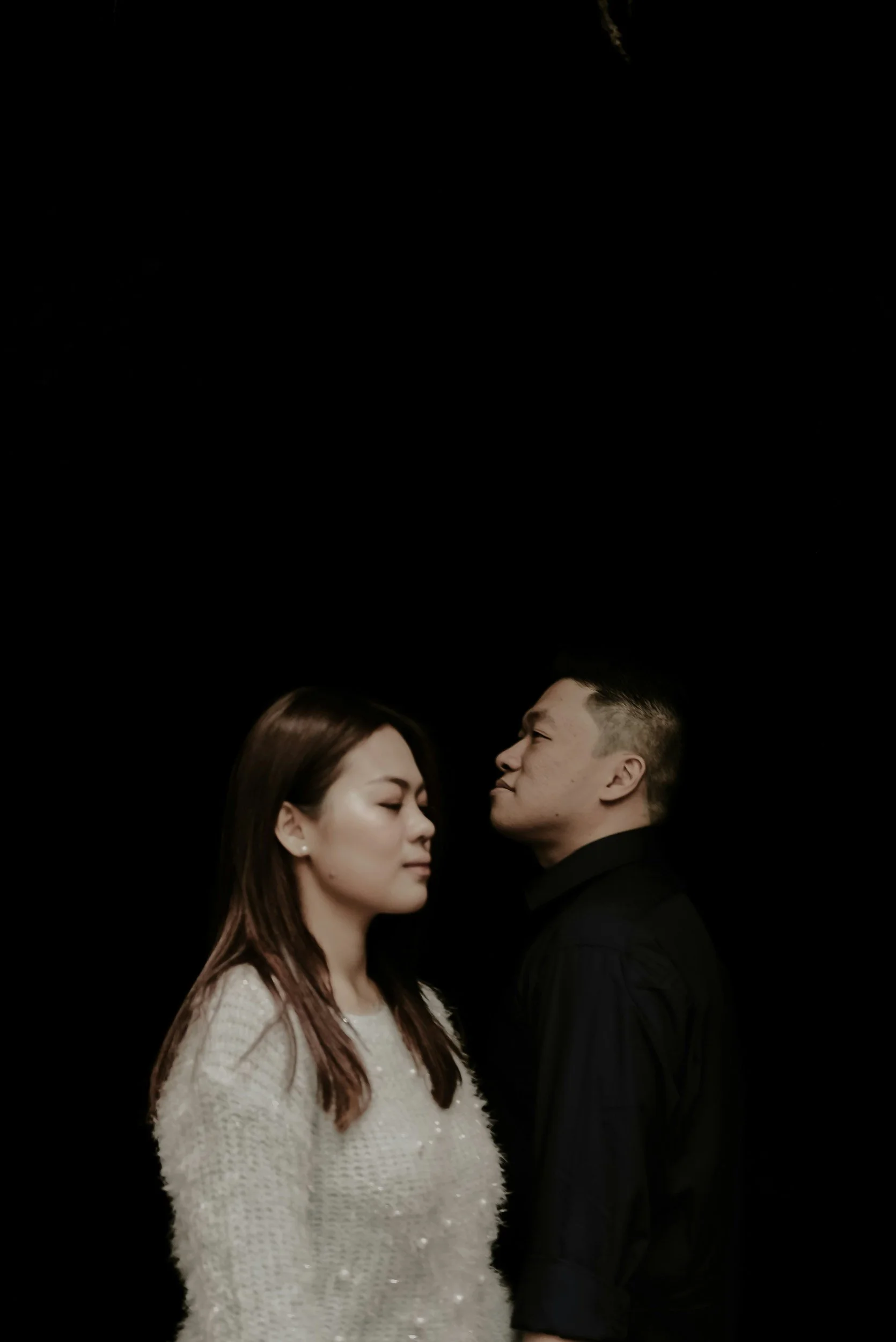
DO YOUR RELATIONSHIPS KEEP FALLING INTO THE SAME PATTERNS?
You may notice yourself overthinking conversations, struggling to communicate your needs, shutting down during conflict, or feeling disconnected even in relationships that matter deeply to you. Sometimes the issue is not one specific event, but a pattern that keeps repeating across relationships.
At Adaptations Therapy Institute, relationship counseling is attachment-based and trauma-informed. Therapy focuses on helping you understand the emotional patterns, nervous system responses, and relational dynamics shaping how you connect with yourself and others.
Healing is not about becoming perfect in relationships. It is about developing more awareness, emotional safety, and healthier ways of relating moving forward.

CAN RELATIONSHIP COUNSELING HELP EVEN IF THINGS ARE NOT “THAT BAD”?
Yes. Many people begin relationship counseling before their relationships reach a crisis point.
Therapy can help when you notice patterns that no longer feel aligned — even if the relationship still appears functional from the outside. Many individuals and couples seek counseling because they want to feel more connected, emotionally secure, and intentional in their relationships moving forward.
Relationship counseling can support:
Healthier communication
Increased emotional awareness
Stronger boundaries
Reduced anxiety and reactivity
More secure attachment patterns
Better conflict navigation
Greater emotional intimacy and trust
Therapy does not need to wait until things feel unbearable. Often, earlier support creates more space for meaningful change.
WHAT WE FOCUS ON IN RELATIONSHIP COUNSELING
At Adaptations Therapy Institute, couples therapy is grounded in attachment science, trauma awareness, and relational accountability. This means we pay attention to how each partner experiences safety, stress, and connection inside the relationship.
Our work together often includes:


Regulating the Nervous System During Conflict
When emotions run high, the nervous system can shift into fight, flight, or shutdown. Therapy helps partners recognize these reactions and develop tools to stay more grounded during difficult conversations.
Understanding the Relationship Pattern
Most couples are not fighting about the surface issue. They are reacting to deeper fears of disconnection, rejection, or feeling unseen. We identify the cycle that keeps pulling you into conflict so both partners can begin responding differently.


Strengthening Connection and Intimacy
As couples begin to understand each other’s experiences more clearly, many rediscover the parts of the relationship that brought them together in the first place. Therapy helps create room for curiosity, warmth, and closeness again.
Rebuilding Emotional Safety
For trust and intimacy to grow, both partners need to feel emotionally safe. Therapy focuses on strengthening communication, boundaries, and mutual respect so the relationship becomes a place where honesty and vulnerability can exist again.

WHAT MAKES OUR APPROACH TO RELATIONSHIP COUNSELING DIFFERENT?
At Adaptations Therapy Institute, relationship counseling is grounded in attachment science, trauma-informed care, and nervous system awareness.
Rather than focusing only on symptom reduction or surface-level communication strategies, therapy explores the deeper emotional experiences shaping how you connect and respond in relationships.
Sessions are collaborative, thoughtful, and paced intentionally. We focus on helping you better understand yourself, your emotional reactions, and the relationship patterns influencing your daily life.
The goal is not simply to avoid conflict. It is to create healthier, more secure ways of relating to yourself and others.

If you and your partner are feeling stuck in patterns that no longer serve the relationship, therapy can offer a place to pause, understand what is happening, and begin making intentional changes together.
Frequently Asked Questions
Reaching out for therapy is a meaningful step. Whether you are seeking support as an individual or as a couple, our work begins with understanding your story — not rushing to fix it. At Adaptations Therapy Institute, therapy is collaborative, thoughtful, and grounded in research-supported approaches that help create lasting change.
-
Relationship counseling is a form of therapy focused on understanding the emotional, communication, and relational patterns affecting how people connect with one another. Counseling may involve individuals or couples and often explores attachment styles, nervous system responses, emotional safety, communication dynamics, and recurring relationship patterns.
-
Yes. Many people seek relationship counseling before their relationships reach a crisis point. Therapy can help identify unhealthy patterns early, improve communication, strengthen emotional connection, and create healthier ways of responding to stress and conflict before patterns become more entrenched.
-
Sessions often focus on communication patterns, emotional reactions, relationship dynamics, attachment experiences, nervous system responses, boundaries, trust, and recurring conflicts or stressors. Therapy is collaborative and paced based on your needs, helping you better understand what is happening underneath the surface of your relationship experiences.
-
Many people begin noticing changes through increased emotional awareness, healthier communication, reduced reactivity during conflict, stronger boundaries, improved emotional connection, or a greater sense of clarity and safety within relationships. Progress often happens gradually as new patterns begin replacing older cycles.
Let’s Connect
We'd love to hear from you! Please fill out the form and we'll get back to you as soon as possible.
For medical emergencies, contact your healthcare provider or call 911. For mental health crises, call or text 988.
By submitting this form, you agree to the processing of your sensitive personal information, which may include protected health information (PHI). This information may be viewed by team members in this practice. You also agree not to submit any payment information, including credit or debit card details, through this form.